How I Found Calm After Injury: A Beginner’s Journey with Yoga and TCM
Recovering from an injury can feel like a mental and physical maze. I struggled with stiffness, frustration, and low energy—until I discovered the gentle power of yoga and traditional Chinese medicine (TCM). As a total beginner, I was skeptical, but combining breathwork, mindful movement, and body awareness slowly changed my recovery. This is my real story of small steps, noticeable shifts, and finding balance when I needed it most.
The Breaking Point: When Recovery Felt Impossible
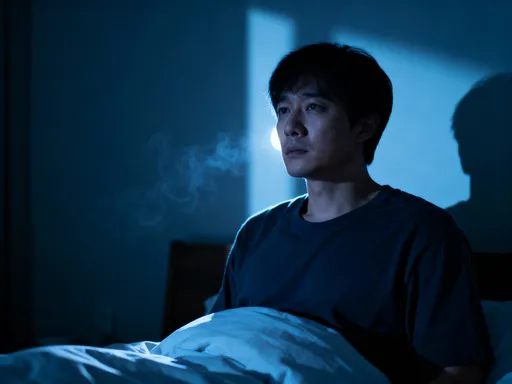
After a minor fall that led to a sprained ankle and muscle strain, what seemed like a straightforward recovery quickly became a longer, more complicated journey than I expected. The doctor prescribed rest, physical therapy, and pain relief as needed—but after a few weeks, I still felt stiff, tired, and mentally drained. Walking was possible, but not comfortable. Standing for long periods left me aching. Even simple tasks like carrying groceries or climbing stairs became sources of tension. I followed the medical advice, yet something was missing. My body was healing, but I didn’t feel better.
What surprised me most was how much the injury affected my mood. I felt restless, irritable, and disconnected from my usual routine. I missed being active. I missed the sense of freedom that comes with moving without pain. The physical limitations led to emotional ones—frustration turned into a low-grade anxiety that lingered daily. I began to question whether I would ever return to feeling like myself. It wasn’t just about the ankle or the muscles; it was about my overall well-being. I realized that healing wasn’t only about tissue repair—it was also about restoring energy, calm, and confidence in my body.
That’s when I started looking beyond the standard recovery plan. I wasn’t rejecting medical care; I simply wanted to support it with something that addressed how I felt on the inside. I had heard about yoga and traditional Chinese medicine in passing—usually in connection with stress relief or chronic pain—but I had always assumed they were either too mystical or too intense for someone like me. Still, with nothing to lose and a growing need for relief, I decided to explore what these practices could offer.
Discovering the Blend: Yoga Meets Traditional Chinese Medicine
My first step was attending a gentle yoga class designed for people with physical limitations. I expected stretching and breathing, but what I found was different. The instructor emphasized awareness—how we felt in each movement, how our breath moved through the body, and when to pause. It wasn’t about pushing into poses or achieving perfect form. Instead, it was about listening. That idea resonated with me. For the first time in months, I wasn’t being told to do more; I was being invited to pay attention.
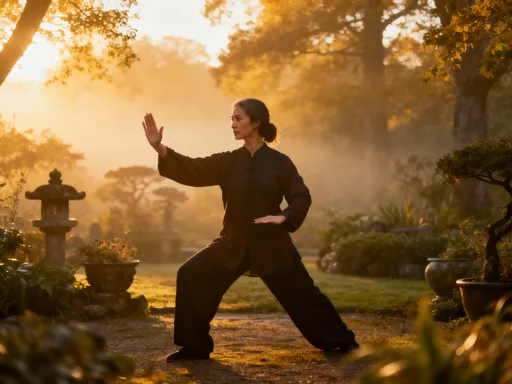
As I continued, I began to hear references to traditional Chinese medicine—ideas about energy flow, balance, and the connection between body and mind. I started reading more and learned that TCM views health as a state of harmony. One of its core concepts is Qi (pronounced “chee”), often described as the vital energy that flows through the body along pathways called meridians. When Qi is balanced and moving freely, the body functions smoothly. When it’s blocked or depleted, discomfort or illness can arise. This didn’t sound like magic—it sounded like a different way of understanding how the body communicates with itself.
What drew me in was how naturally these ideas aligned with what I was experiencing in yoga. Slow, intentional movements helped me notice where I held tension. Deep breathing created a sense of release. Mindful pauses allowed my nervous system to settle. I wasn’t just moving my body—I was relearning how to inhabit it. The blend of yoga and TCM didn’t promise a cure, but it offered a framework for healing that felt holistic, respectful of my pace, and deeply personal. It wasn’t about fixing one part in isolation; it was about supporting the whole system.
Why This Combo Works: The Science of Gentle Healing
At first, I worried this approach was too subtle to make a real difference. But as I looked into the science behind it, I found compelling evidence that gentle practices like yoga and TCM-based techniques can play a meaningful role in recovery. Research shows that slow, mindful movement helps reduce inflammation, improve circulation, and support tissue repair—all critical components of healing after injury. More importantly, these practices influence the nervous system in ways that standard rehabilitation often doesn’t address directly.
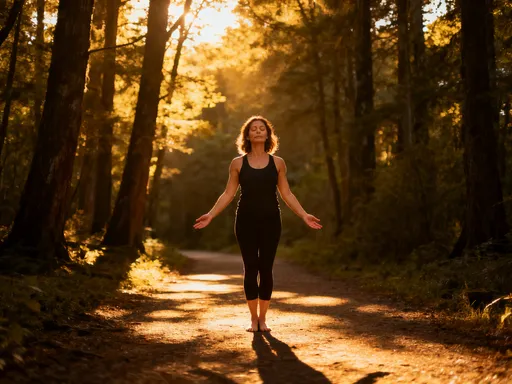
One of the most significant benefits is the activation of the parasympathetic nervous system, the part of the body responsible for rest, digestion, and recovery. When we’re injured or in pain, the body often stays in a state of low-level stress—muscles tense, breathing shallow, heart rate elevated. This “fight-or-flight” mode is useful in emergencies, but when it becomes chronic, it can slow healing. Yoga, especially when combined with breath awareness, helps shift the body into a calmer state. Studies have shown that controlled breathing and gentle postures can lower cortisol levels, reduce heart rate, and improve sleep quality—all of which support physical recovery.
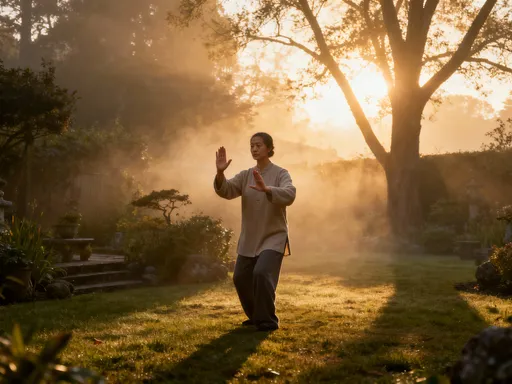
Traditional Chinese Medicine complements this by focusing on balance and flow. Practices like acupressure, mindful breathing, and gentle movement along meridian lines are believed to support the body’s natural rhythms. While the concept of Qi may not be measurable in a lab, the physiological effects of these practices are well-documented. Improved blood flow, reduced muscle tension, and enhanced body awareness all contribute to a more resilient recovery process. The beauty of this approach is that it doesn’t require intensity. Healing isn’t about doing more—it’s about creating the right internal conditions for the body to do its work.
My First Moves: Simple Yoga Meditation That Actually Helped
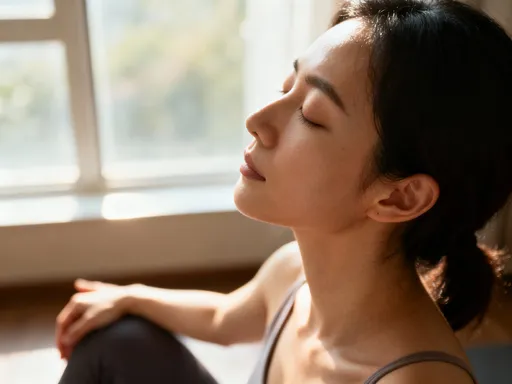
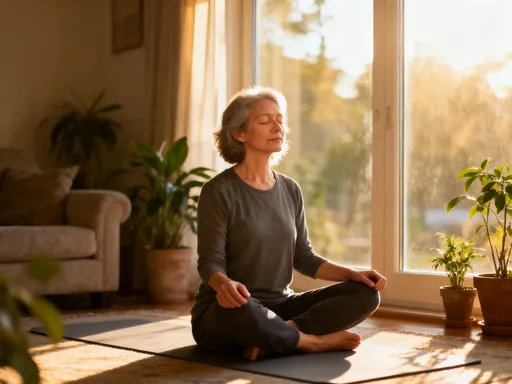
I started small, dedicating just five to ten minutes a day to simple practices I could do at home. I didn’t need special equipment or a lot of space—just a quiet corner and a willingness to try. The first routine I learned was seated breathing. I sat comfortably on a cushion with my back supported, hands resting on my lap, and focused on inhaling slowly through the nose and exhaling through the mouth. At first, my mind raced, and I felt self-conscious. But over time, I began to notice subtle changes—a slight release in my shoulders, a softening in my jaw, a sense of grounding.
The second practice was the cat-cow flow, a gentle spinal movement done on hands and knees. Even though my ankle was healing, I could still move my upper body, and this flow helped release tension in my back and neck. I moved slowly, syncing each motion with my breath—arching on the inhale, rounding on the exhale. It wasn’t about flexibility; it was about creating fluidity. I found that this simple sequence helped me reconnect with parts of my body that had felt disconnected since the injury.
The third and most restful pose was legs-up-the-wall. I lay on my back with my legs resting vertically against a wall, arms relaxed at my sides. This pose required no effort, yet it brought deep relief. Blood circulation improved, swelling in my lower limbs reduced, and my nervous system settled. I often stayed in this position for ten to fifteen minutes, focusing on my breath and letting go of the day’s tension. These three routines became my foundation. They weren’t dramatic, but they were consistent—and consistency, I learned, was the key to progress.
Listening to the Body: TCM-Inspired Awareness in Daily Life
One of the most valuable lessons from TCM is the importance of self-awareness. In Western medicine, we often wait for symptoms to appear before taking action. TCM encourages a more proactive approach—paying attention to subtle signals before they become problems. I began to check in with myself several times a day: How is my energy level? Where do I feel tension? Am I holding my breath without realizing it?
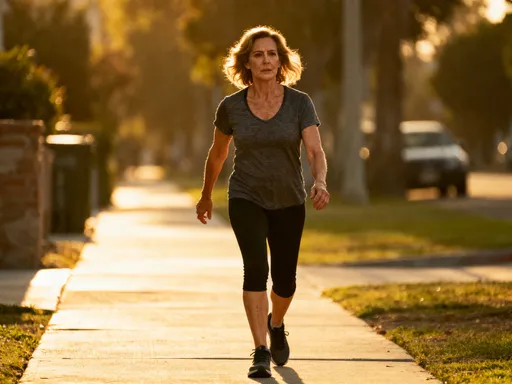
This practice of observation changed how I moved through my day. I noticed that after long periods of sitting, my lower back tightened and my mood dipped. Instead of pushing through, I started taking short breaks to stretch or walk mindfully. I paid more attention to hydration, realizing that even mild dehydration made my muscles feel stiffer. I also began to notice emotional patterns—times when stress showed up as physical tightness in my neck or shoulders. By catching these signs early, I could adjust my routine before discomfort built up.
I incorporated small, TCM-inspired habits: drinking warm water throughout the day to support digestion and circulation, taking a few deep breaths before meals to activate rest-and-digest mode, and using acupressure points like the space between my eyebrows or the base of my thumb to ease tension. These weren’t grand gestures, but they added up. I wasn’t just recovering—I was learning how to care for my body in a more attentive, respectful way.
Building a Sustainable Routine: From Doubt to Daily Habit
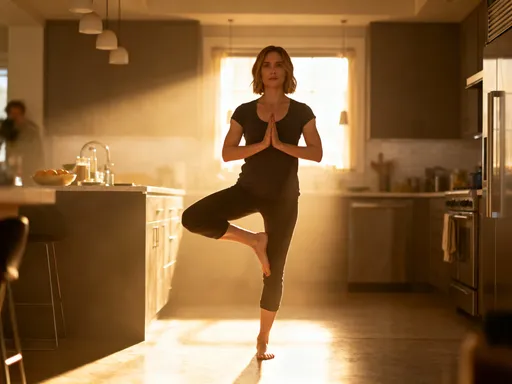
At the beginning, I didn’t believe I could stick with it. I missed days. I doubted whether it was making a difference. Some mornings, I felt too stiff or too tired to even sit up straight. But I kept returning, not because I felt motivated, but because I had committed to trying. I set up a small corner in my living room with a mat and a cushion—a visual cue that this time mattered. I practiced at the same time each day, usually in the morning after tea or in the evening before bed. Over time, this became less of a chore and more of a ritual.
The changes were subtle at first. I slept more deeply. My morning stiffness lessened. I could walk farther without discomfort. But the biggest shift was internal. I felt calmer, more present, more in tune with my body’s needs. I stopped comparing myself to how I used to move and started appreciating how I could move now. This mindset shift was crucial. Healing isn’t linear—there were days when I felt worse, and that was okay. The practice wasn’t about perfection; it was about showing up, even in small ways.
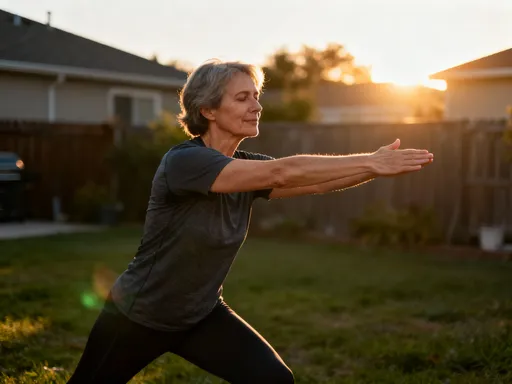
As weeks turned into months, my routine expanded naturally. I added a few more gentle stretches, experimented with longer breathwork sessions, and even tried a guided meditation focused on body scanning. I never pushed myself too far, but I also didn’t let fear of re-injury keep me stagnant. The combination of yoga and TCM gave me a sense of agency—I wasn’t just waiting for my body to heal; I was actively supporting it. And that made all the difference.
What I Wish I Knew Sooner: Lessons for Fellow Beginners
If I could go back, I would tell my earlier self a few important things. First, yoga is not about flexibility. It’s about awareness, breath, and presence. You don’t need to touch your toes or twist into complex poses to benefit. In fact, the most powerful moments often happen in stillness or in the simplest movements. Second, healing is not a straight line. There will be setbacks, plateaus, and days when progress feels invisible. That doesn’t mean you’re failing—it means you’re human.
I also wish I had known that self-compassion is part of the practice. I used to judge myself for not recovering faster, for needing rest, for feeling frustrated. But healing requires patience. It requires treating yourself with the same kindness you would offer a friend. Mindful movement isn’t about achievement; it’s about connection. The goal isn’t to “get back to normal” as quickly as possible—it’s to build a healthier, more balanced relationship with your body.
Finally, I’ve learned that complementary practices like yoga and TCM should support, not replace, professional medical care. I continued to see my physical therapist and followed medical advice throughout my recovery. These gentle practices were additions, not alternatives. If you’re considering a similar path, talk to your healthcare provider. Make sure your approach is safe and appropriate for your condition. There’s no shame in seeking help—only strength in taking a holistic view of your health.
Healing isn’t just about fixing the body—it’s about reconnecting with it. Blending yoga meditation with TCM wisdom didn’t offer instant fixes, but it gave me tools to support my recovery in a way that felt natural and sustainable. For anyone rebuilding after injury, starting small might be the most powerful move you make.