Why I Swear By These Simple TCM Habits for Everyday Balance
For years, I struggled with low energy and constant stress—until I discovered how traditional Chinese medicine quietly transforms daily life. It’s not about quick fixes, but small, consistent adjustments that align your body with nature’s rhythm. I started simple: noticing how I ate, slept, and moved. Over time, the changes added up. This is not medical advice, but my real experience with TCM-inspired wellness—practical, natural, and surprisingly powerful for long-term health.
The Hidden Imbalance: Recognizing Your Body’s Whispers
In traditional Chinese medicine (TCM), health is not defined merely by the absence of disease, but by a state of dynamic balance between opposing forces—yin and yang—and the smooth flow of vital energy, or qi, through the body’s meridians. When qi flows freely and the body’s systems are in harmony, a person feels energized, calm, and resilient. However, modern life often disrupts this balance. Long hours, poor sleep, emotional stress, and irregular eating patterns can lead to what TCM describes as qi stagnation, dampness, or deficiency. These imbalances do not appear overnight; they whisper through subtle signs most people dismiss as normal parts of aging or busy living.
Common signals include persistent fatigue that rest does not resolve, difficulty falling or staying asleep, digestive discomfort like bloating or irregular bowel movements, frequent colds, or mood fluctuations such as irritability and low motivation. In Western medicine, these symptoms may be treated individually, but TCM views them as interconnected expressions of deeper disharmony. For instance, chronic tiredness might point to spleen qi deficiency, where the body struggles to convert food into usable energy. Poor sleep could reflect liver qi stagnation, often tied to stress and emotional tension. Recognizing these patterns early allows for gentle intervention before they develop into more serious conditions.
The TCM approach encourages daily self-awareness. Simple practices like checking your tongue first thing in the morning—observing its color, coating, and shape—can offer clues about internal health. A pale tongue may suggest qi or blood deficiency, while a red or swollen tongue might indicate heat or dampness. Similarly, tracking energy levels throughout the day, noticing when you feel most alert or sluggish, helps identify patterns linked to organ systems. The goal is not diagnosis, but increased sensitivity to your body’s messages. This mindful awareness forms the foundation of preventive wellness in TCM—listening before the whispers become shouts.
Morning Rituals That Set the Tone
How you begin your day sets the rhythm for your body’s internal clock and energy flow. In TCM, the early morning hours are considered especially powerful for supporting detoxification and vitality. From 5 to 7 AM, the large intestine is most active, making this the ideal time to eliminate waste and clear the body of accumulated toxins. From 7 to 9 AM, the stomach takes center stage, ready to receive nourishment. Aligning your morning routine with these natural cycles can enhance digestion, boost energy, and promote emotional clarity.
One of the simplest yet most effective habits is drinking a glass of warm water as soon as you wake. Cold water, according to TCM, can shock the digestive system and slow down metabolic function. Warm water, on the other hand, gently stimulates the stomach, supports spleen qi, and helps dissolve internal dampness. Some people add a slice of lemon or a small amount of raw honey, though moderation is key—excessive sweetness can burden the spleen. This small act prepares the digestive tract for the day and encourages smooth qi movement.
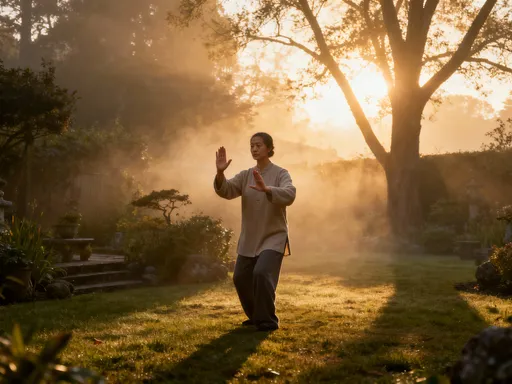
Gentle movement is another cornerstone of a TCM-inspired morning. Rather than intense exercise, which can deplete qi if done too early, slow stretching or qigong exercises awaken the body without strain. Practices like raising the arms overhead, rotating the wrists and ankles, or performing a few rounds of the “Eight Brocades” help open the meridians and improve circulation. Facial gua sha, using a smooth jade or rose quartz tool, is another gentle technique that promotes lymphatic drainage, reduces puffiness, and enhances facial circulation. These rituals do not require special equipment or hours of time—they are accessible, intentional acts that signal care for the self.
Equally important is avoiding rushed mornings. Stress and haste create qi stagnation, particularly in the liver, which governs the smooth flow of energy and emotions. Taking just ten minutes to breathe deeply, sip warm water, and move gently can prevent this buildup. Over time, these practices accumulate, creating a sense of groundedness that carries through the day. The morning is not just a transition into activity—it is a daily opportunity to reset and align.
Eating with the Seasons: Nature’s Blueprint for Nourishment
One of the most profound principles in TCM is eating according to the seasons. This is not a dietary trend, but a time-honored way of living in tune with nature’s cycles. Each season carries its own energetic quality—summer is hot and expansive, winter is cold and inward—and the body responds best when food choices reflect these shifts. The goal is to maintain internal balance by either cooling the body in heat or warming it in cold, thereby reducing strain on the digestive and immune systems.
During summer, when external heat is high, the body’s internal digestive fire is naturally weaker. TCM recommends consuming cooling or neutral foods such as cucumbers, watermelon, mung beans, and leafy greens. These foods help clear heat and prevent dehydration. However, excessive consumption of raw, cold foods—like salads and iced drinks—can impair spleen function, leading to fatigue and bloating. The key is moderation: pairing cooling ingredients with warming spices like ginger or mint helps protect digestive qi while still providing relief from heat.
In contrast, winter calls for warming, cooked foods that nourish yang energy and support kidney health. Root vegetables like carrots, sweet potatoes, and beets, along with soups, stews, and bone broths, are ideal. These foods are easier to digest and provide sustained energy. Spices such as cinnamon, cloves, and fennel enhance warmth and circulation. Long-simmered dishes not only preserve nutrients but also concentrate qi, making them deeply nourishing. This seasonal rhythm strengthens immunity and helps the body conserve energy during colder months.
TCM also emphasizes the importance of the spleen and stomach as the foundation of qi production. These organs are responsible for transforming food into energy and distributing it throughout the body. Irregular eating, skipping meals, or eating on the go disrupts this process. To support digestive health, aim for regular mealtimes, chew food thoroughly, and avoid overeating. Warm, cooked meals are generally preferred over raw or processed foods, as they require less effort to break down. By aligning eating habits with seasonal and bodily rhythms, you create a sustainable foundation for vitality.
Breathing and Movement: Gentle Ways to Unblock Qi
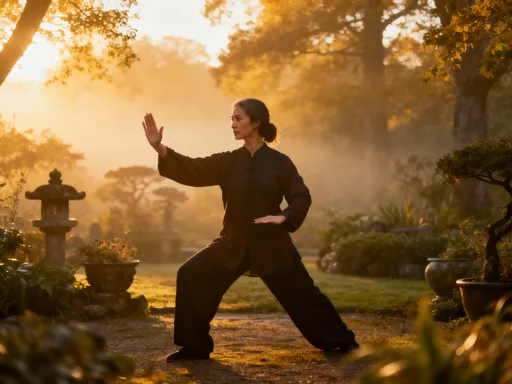
Physical activity in TCM is not about intensity or performance, but about promoting the smooth flow of qi and blood. Stagnation—whether physical, emotional, or energetic—lies at the root of many health concerns. When qi does not move freely, it can manifest as tension, fatigue, or emotional unease. Gentle movement practices such as tai chi, qigong, and mindful walking are designed to release blockages, enhance circulation, and restore balance without depleting the body’s resources.
Tai chi, often described as “meditation in motion,” combines slow, deliberate movements with deep abdominal breathing. Each posture flows into the next, encouraging coordination, focus, and relaxation. Research has shown that regular tai chi practice can improve balance, reduce stress, and support cardiovascular health. From a TCM perspective, it activates the meridians, strengthens the kidneys, and calms the shen (spirit). Even ten minutes a day can make a noticeable difference in energy and mood.
Qigong, meaning “life energy cultivation,” includes a variety of forms focused on breathing, movement, and mental focus. Some styles are stationary, involving gentle swaying or standing meditation, while others include flowing sequences. A simple qigong exercise is the “Six Healing Sounds,” which uses breath and sound to harmonize specific organs. For example, a soft “shhh” sound on the exhale is believed to support liver function and release anger. These practices integrate mind and body, making them especially effective for stress-related imbalances.
Breathing itself is a powerful tool. Deep, diaphragmatic breathing activates the parasympathetic nervous system, signaling the body to relax. In TCM, the lungs govern qi and are closely linked to the immune system and emotional state. Shallow chest breathing, common in stressed individuals, limits oxygen exchange and contributes to qi deficiency. Practicing full breaths—expanding the lower abdomen on the inhale, releasing slowly on the exhale—can be done anywhere and requires no special training. Over time, this simple habit improves energy, mental clarity, and emotional resilience.
Sleep as Restoration: Aligning with Natural Cycles
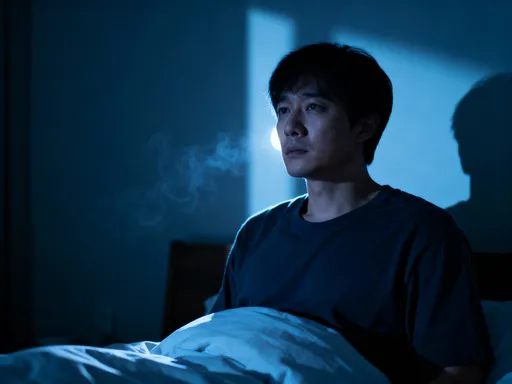
Sleep is not merely downtime—it is a vital period of repair and renewal in TCM. Between the hours of 11 PM and 1 AM, the liver performs its most active cleansing and detoxification. This organ, associated with the wood element, is responsible for smoothing the flow of qi and storing blood. When sleep is delayed past 11 PM, this process is disrupted, leading to imbalances that may show up as irritability, hormonal fluctuations, or poor digestion. Going to bed early, even if you wake up refreshed at dawn, supports the liver’s natural rhythm and promotes emotional stability.
Creating a calming nighttime routine enhances sleep quality. TCM recommends reducing screen time after 9 PM, as the blue light from devices can overstimulate the shen and delay the onset of rest. Instead, activities like reading, light stretching, or listening to soft music help transition the mind from activity to stillness. A warm foot soak with Epsom salts or a few drops of lavender oil can draw excess heat downward and encourage relaxation. This practice also benefits the kidneys, which are especially vulnerable to stress and depletion.
Diet plays a role in sleep as well. Heavy, greasy, or spicy meals in the evening can burden the stomach and spleen, leading to restless sleep or waking between 1 and 3 AM—a time associated with the liver. A light dinner, eaten at least two to three hours before bed, allows for proper digestion. Herbal teas such as chamomile, passionflower, or linden may support relaxation, though individual responses vary. In TCM, insomnia is often linked to heart fire or liver yang rising, both of which can be soothed through lifestyle adjustments rather than dependence on sleep aids.
Consistency matters. Going to bed and waking up at roughly the same time each day strengthens the body’s internal clock and supports hormonal balance. Even on weekends, maintaining a regular rhythm prevents the “social jet lag” that disrupts qi flow. Over time, this discipline leads to deeper rest and greater daytime vitality. Sleep, in this view, is not passive—it is an active investment in long-term health.
Emotional Flow and Physical Health: The Mind-Body Link
In TCM, emotions are not seen as separate from physical health, but as integral expressions of organ function. Each major organ is linked to a specific emotion: the liver to anger, the heart to joy (and mania when excessive), the spleen to worry, the lungs to grief, and the kidneys to fear. When emotions are experienced in moderation and allowed to move through, they do not harm the body. But when they are suppressed, excessive, or chronic, they can disrupt the associated organ and create physical symptoms.
For example, prolonged stress or repressed anger can lead to liver qi stagnation, manifesting as headaches, menstrual irregularities, or digestive upset. Similarly, constant overthinking or anxiety may weaken the spleen, impairing digestion and leading to fatigue. Grief that is not processed can affect the lungs, contributing to shallow breathing or frequent respiratory infections. Recognizing these connections allows for a more holistic approach to well-being—one that addresses both emotional patterns and physical symptoms.
TCM does not advocate suppressing emotions, but encourages healthy expression and regulation. Mindful breathing, journaling, or talking with a trusted friend can help release emotional tension. Practices like qigong and tai chi integrate movement with breath and awareness, helping to dissolve energetic blockages. Even simple habits—such as taking a short walk after a stressful meeting or pausing to breathe before reacting—can prevent emotional buildup.
Another key principle is moderation. While all emotions are natural, extremes can be harmful. Excessive joy, for instance, may scatter the heart qi, leading to restlessness. The goal is balance—experiencing emotions fully but not being ruled by them. This requires self-awareness and compassion. Over time, as emotional patterns become clearer, small lifestyle adjustments—such as reducing caffeine when anxious or increasing rest when grieving—can support both mental and physical health.
Building a Sustainable Routine: Small Steps, Big Shifts
The beauty of TCM lies in its accessibility. You do not need special equipment, expensive supplements, or hours of free time to begin. The most effective changes are small, consistent, and personalized. Rather than overhauling your life overnight, start with one habit—drinking warm water in the morning, taking five minutes to breathe deeply, or adjusting your dinner to be lighter and earlier. Observe how your body responds. Do you feel more alert? Do you sleep better? These subtle shifts are signs that balance is being restored.
Tracking your experience can deepen awareness. A simple journal noting energy levels, digestion, sleep, and mood can reveal patterns over time. For instance, you might notice that skipping breakfast leads to afternoon fatigue, or that a warm foot soak improves sleep. This self-knowledge empowers you to make informed choices. Remember, TCM is not a one-size-fits-all system. What works for one person may not suit another, depending on constitution, lifestyle, and environment.
Patience is essential. Healing in TCM is gradual, like nurturing a garden. You plant the seeds with daily habits, tend to them with consistency, and over time, the results emerge. There will be days when old patterns return—stressful weeks, poor sleep, or emotional ups and downs. These are not failures, but opportunities to return to your practice with kindness. The goal is not perfection, but presence.
Finally, while self-care is powerful, it does not replace professional care. If you have ongoing health concerns, consulting a licensed TCM practitioner—such as a trained acupuncturist or herbalist—can provide personalized guidance. They may recommend acupuncture, dietary adjustments, or herbal formulas tailored to your needs. Integrating these insights with conventional medical care, when appropriate, offers a comprehensive approach to wellness.
Traditional Chinese medicine doesn’t promise miracles—but it offers a profound way to live in harmony with your body’s needs. By making small, intentional choices every day, you nurture resilience, clarity, and lasting balance. These habits aren’t trends; they’re time-tested wisdom. Start where you are, stay curious, and let your body guide you toward a healthier, more centered life.