You Gotta See Eilat’s Cityscape at Golden Hour – This Is Next Level
Eilat isn’t just beaches and coral reefs—its cityscape is a visual masterpiece waiting to be captured. From sun-drenched rooftops to shimmering marinas, the urban glow against desert skies creates magic through the lens. I was blown away by how such a small city packs so much photographic punch. If you're chasing light, contrast, and soulful urban scenes, Eilat’s skyline moments are absolute gold. Let me show you where and when to shoot.
Why Eilat’s Cityscape Surprises Photographers
Eilat, Israel’s southernmost city, is often celebrated for its Red Sea diving and desert resorts, but its urban landscape holds a quiet visual power that many travelers overlook. Nestled between the stark, sunbaked mountains of the Negev Desert and the tranquil waters of the Gulf of Aqaba, Eilat’s cityscape emerges as an unexpected fusion of nature and human design. Unlike sprawling metropolises with towering skylines, Eilat’s charm lies in its modest scale and thoughtful integration with its surroundings. The city’s low-rise buildings, typically no more than five or six stories high, allow sunlight to flow freely between structures, creating long shadows and warm highlights that shift dramatically throughout the day.
What sets Eilat apart from other coastal cities is the way its architecture responds to the desert environment. Buildings are often painted in earthy tones—beige, sandstone, and terracotta—that blend seamlessly with the surrounding hills. Flat roofs, common across the city, serve both functional and aesthetic purposes: they reduce heat absorption and create a textured skyline that’s especially striking during golden hour. This harmonious relationship between urban development and natural terrain gives Eilat a unique visual rhythm. The contrast between the rugged desert and the orderly grid of streets and plazas tells a story of resilience and adaptation, making it a compelling subject for photography.
Moreover, Eilat’s compact layout enhances its photogenic appeal. The entire city stretches only about 5 kilometers from north to south, allowing photographers to move easily between different districts and capture a variety of scenes within a short time. There are no overwhelming skylines or congested intersections to navigate—just a clean, open urban fabric that invites exploration. Whether shooting from ground level or elevated vantage points, the city reveals itself in layers: distant mountains framing the horizon, the glittering marina cutting through the urban core, and palm-lined promenades leading the eye toward the sea. This clarity of composition is rare in modern cities and makes Eilat a refreshingly accessible destination for visual storytelling.
For photographers seeking authenticity, Eilat offers something more than scenic backdrops—it presents a city in balance. The interplay of light and shadow, texture and color, stillness and motion, creates a dynamic canvas that evolves with the hours. Whether you’re drawn to wide-angle cityscapes or intimate street details, Eilat rewards attention to timing and perspective. It’s not about grand monuments or iconic landmarks; it’s about the quiet beauty of a city shaped by sun, sand, and sea.
Sunset Over the Marina: A Must-Capture Moment
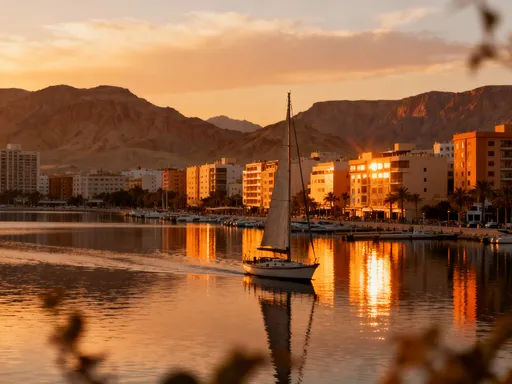
One of the most iconic and accessible photo opportunities in Eilat unfolds at the city’s marina during sunset. As the sun dips toward the western horizon, the entire waterfront transforms into a stage of shimmering reflections, warm hues, and gentle silhouettes. The marina, home to a mix of leisure boats, yachts, and fishing vessels, becomes a mirror for the sky, capturing the rich oranges, pinks, and purples of the fading light. This daily spectacle draws both locals and visitors, but the promenade remains spacious enough to allow for unobstructed shooting angles and peaceful contemplation.
The best vantage points for photographing the marina at golden hour are along the central walkway that runs parallel to the water’s edge. Positioning yourself near the northern end of the marina offers a sweeping view of the harbor, with boats moored in orderly rows creating natural leading lines toward the horizon. For a more elevated perspective, the raised wooden walkways near the yacht club provide a slightly higher angle, allowing you to capture both the water’s surface and the surrounding buildings bathed in warm light. These structures—often featuring glass facades and modern design—reflect the sky in subtle gradients, adding depth to your composition.
From a technical standpoint, shooting the marina at sunset requires careful exposure management. The sky is often significantly brighter than the shadows in the foreground, so using a graduated neutral density filter can help balance the contrast. Alternatively, shooting in RAW format allows for greater flexibility in post-processing, enabling you to recover details in both highlights and shadows. A tripod is highly recommended, especially as light levels drop during the blue hour that follows sunset. This period, lasting about 20 to 30 minutes after the sun disappears, offers a soft, diffused glow that enhances the moodiness of the scene. During this time, artificial lights from boats and buildings begin to twinkle, creating a gentle transition from day to night.
Beyond the technical aspects, the marina’s atmosphere adds emotional depth to your images. Families stroll along the promenade, couples pause for photos, and children chase pigeons near the benches. These candid moments, when captured subtly, enrich the narrative of your photography. The scene feels alive but never chaotic—there’s a sense of calm enjoyment that permeates the space. By including human elements in moderation, you can convey not just the beauty of the place, but the way people interact with it. The marina isn’t just a backdrop; it’s a living part of Eilat’s urban rhythm.
Rooftop Views That Reveal the City’s Pulse
For a more intimate and elevated perspective on Eilat’s cityscape, rooftop photography offers a unique vantage point that reveals the city’s texture and character. While not every building in Eilat allows public access to its roof, several hotels, cafes, and guesthouses in the city center do offer rooftop terraces—some with seating areas, others with unobstructed 360-degree views. These spaces provide a rare opportunity to see the city as a patchwork of flat, desert-toned roofs, satellite dishes, ventilation units, and the occasional potted plant or drying laundry, all under the vast expanse of the desert sky.
One of the most rewarding aspects of rooftop photography in Eilat is the way it captures the city’s quiet humanity. Unlike postcard-perfect tourist spots, rooftops show the everyday life that unfolds above street level. From this height, the city feels both expansive and personal. You can see how homes are clustered together, how narrow alleys cut between buildings, and how distant mountain ridges rise like sentinels around the urban perimeter. The contrast between the ordered geometry of the city and the wild, untamed desert beyond creates a powerful visual narrative—one of civilization meeting wilderness.
To make the most of rooftop photography, timing is essential. Late afternoon, just before golden hour, is ideal because the sun casts long, dramatic shadows across the rooftops, emphasizing texture and depth. The low-angle light also highlights architectural details—cracks in concrete, rust on metal railings, the weave of fabric awnings—that might go unnoticed in harsh midday sun. Using a medium telephoto lens (around 50mm to 85mm) allows you to isolate specific elements, such as a cluster of satellite dishes reflecting the sky or a single potted cactus on a ledge, turning them into compelling visual stories.
When accessing rooftops, it’s important to be respectful of privacy and property. Always seek permission before entering a rooftop area, especially if it’s part of a private residence or hotel. Avoid photographing into windows or private spaces, and be mindful of noise levels. Many rooftop terraces are shared spaces meant for relaxation, so maintaining a low profile ensures a positive experience for everyone. The best rooftop shots often come from quiet observation—waiting for the right light, the right shadow, the right moment when the city feels still and contemplative.
The Boardwalk After Dark: Urban Rhythm in Motion
As night falls, Eilat’s boardwalk transforms into a living canvas of light and movement, offering photographers a completely different kind of cityscape. Stretching along the northern and central coastline, the boardwalk is lined with soft, evenly spaced streetlights that cast a warm glow on the pavement. Cyclists glide past in smooth motion, their paths blurring into streaks of light when captured with long exposures. Families walk hand in hand, dogs trot beside their owners, and the occasional street musician adds a gentle soundtrack to the evening. This is not a city that shuts down after dark—it hums with a gentle, walkable energy that feels safe and inviting.
Night photography along the boardwalk is particularly effective when using long exposure techniques. With a tripod and shutter speeds ranging from 10 to 30 seconds, moving elements like bicycles and pedestrians become abstract streaks of light, while the static skyline remains sharp and defined. This contrast between motion and stillness adds a dynamic quality to your images, emphasizing the rhythm of urban life. The wet sand near the water’s edge, especially after a wave recedes, acts as a natural reflector, doubling the city lights and creating symmetrical compositions that are both striking and serene.
One of the advantages of shooting the boardwalk at night is the consistency of lighting. Unlike cities with erratic or overly bright streetlights, Eilat’s illumination is soft and evenly distributed, minimizing harsh contrasts and blown-out highlights. This makes it easier to achieve balanced exposures without extensive post-processing. Using a wide-angle lens (between 16mm and 35mm) allows you to capture both the foreground activity and the distant skyline, creating a sense of depth and immersion. Including elements like benches, palm trees, or bicycle racks in the foreground can add scale and context to your shots.
Safety and accessibility further enhance the boardwalk’s appeal for nighttime photography. Well-lit and frequently patrolled, the area is comfortable for solo photographers, including women and older visitors, who may be cautious about shooting in unfamiliar urban environments after dark. There’s a strong sense of community and shared space, which translates into a relaxed atmosphere conducive to creative work. Whether you’re capturing the blur of motion or the stillness of a quiet bench under a lamppost, the boardwalk offers a human-centered perspective on Eilat’s urban life.
Desert-City Edges: Where Urban Meets Wilderness
At the northern fringes of Eilat, the city dissolves into the desert, creating some of the most dramatic and visually compelling photography locations in the area. These transitional zones—where paved roads give way to rocky trails and streetlights fade into darkness—offer powerful compositions that contrast human development with the raw beauty of nature. From elevated viewpoints along the hillsides, you can capture the city lights spilling into the night like a luminous river, while the surrounding mountains remain cloaked in shadow under a sky filled with stars.
One of the most effective ways to photograph these edges is by using a wide-angle lens and a tripod to capture both the foreground terrain and the distant cityscape. The rugged desert landscape, with its jagged rocks, dry riverbeds, and sparse vegetation, adds texture and depth to your images. When combined with the soft glow of Eilat’s skyline, the result is a layered composition that speaks to the tension and harmony between civilization and wilderness. The silence of the desert at night amplifies the sense of isolation and wonder, making it a deeply meditative experience for photographers.
These locations are particularly striking during the blue hour and late evening, when the sky transitions from deep indigo to black. The absence of light pollution in the desert areas allows for clearer views of the stars, and on clear nights, the Milky Way can sometimes be seen arching over the city. For those interested in astrophotography, the desert-city edges offer a rare opportunity to capture both urban and celestial elements in a single frame. A long exposure of 20 to 30 seconds at a high ISO (800–1600) and wide aperture (f/2.8–f/4) can reveal both the city lights and the star field above.
Accessing these areas requires some planning. While there are public trails and observation points, it’s important to stay on marked paths and avoid disturbing the fragile desert ecosystem. Carrying a flashlight, wearing sturdy shoes, and informing someone of your plans are essential safety measures, especially when shooting after dark. The remoteness of these locations adds to their allure, but also demands responsibility. When done respectfully, photographing the desert-city edge becomes more than just capturing a beautiful scene—it becomes a way of honoring the delicate balance between human presence and natural preservation.
Street-Level Charm: Capturing Authentic Urban Details
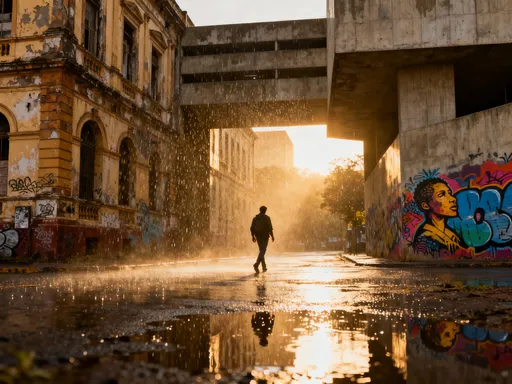
While wide cityscapes and dramatic skylines dominate many travel photos, some of the most memorable images come from street-level details that reveal the soul of a place. In Eilat, these small moments are everywhere: a faded awning flapping in the breeze, a hand-painted sign above a family-run shop, a splash of graffiti on a concrete wall, or a narrow alley shaded by overhanging balconies. These elements, often overlooked, add narrative richness to your visual story and ground your photography in authenticity.
Areas like the older commercial strips near Arlosoroff Street or residential neighborhoods close to the city center are ideal for capturing these intimate scenes. Unlike the polished resorts and modern marina, these districts retain a lived-in quality that feels genuine and uncurated. The architecture here is simpler—single-story buildings with metal shutters, tiled floors, and potted plants on windowsills. These details, when photographed in soft morning light, take on a quiet dignity that speaks to the everyday lives of Eilat’s residents.
Early morning is the best time to shoot these scenes, as the sun rises at a low angle, casting gentle side lighting that enhances texture and dimension. Shadows stretch across walls, highlighting cracks, peeling paint, and weathered surfaces that tell stories of time and use. With a macro or standard lens, you can isolate small elements—a rusted doorknob, a child’s drawing taped to a door, a cat sleeping in a sunlit doorway—and turn them into compelling visual metaphors. These images don’t need to be grand; they just need to be honest.
Photographing street details also allows for greater interaction with the community. A smile, a nod, or a simple “thank you” goes a long way when photographing people’s homes or businesses. In many cases, residents are happy to see someone appreciating the quiet beauty of their neighborhood. These small exchanges, though wordless, enrich the experience and remind us that photography is not just about capturing images, but about connecting with places and people on a human level.
Practical Tips for Shooting Eilat’s Skyline Like a Pro
To make the most of your photography experience in Eilat, a few practical considerations can make a significant difference. First, timing is everything. The best light occurs during golden hour—approximately 30 minutes before and after sunset—when the sun is low and the colors are warm and rich. Blue hour, the period just after sunset when the sky turns deep blue, is ideal for cityscape and long-exposure shots. For night photography, late evening (after 9 PM) offers the clearest views of the skyline with minimal foot traffic.
In terms of gear, a tripod is essential for stability, especially during long exposures or low-light conditions. A compact mirrorless camera or DSLR with a range of lenses (wide-angle, standard, and telephoto) provides flexibility across different shooting scenarios. A polarizing filter can help reduce glare on water surfaces, while a neutral density filter is useful for slowing shutter speeds during daylight long exposures. Don’t forget extra batteries and memory cards—Eilat’s heat can drain battery life quickly, and you won’t want to miss a shot due to technical limitations.
Weather also plays a role. While Eilat enjoys over 360 days of sunshine annually, midday heat can create haze and reduce contrast in photos. Shooting early in the morning or late in the afternoon avoids these issues and ensures sharper, more vibrant images. Wind is generally mild, but on breezy days, use a lens hood or cloth to protect your equipment from sand.
Finally, always shoot with respect. Avoid trespassing, respect private property, and be mindful of cultural norms. Eilat is a welcoming city, and responsible photography ensures that it remains a beautiful and accessible destination for all. With the right preparation, timing, and perspective, your lens can capture not just the skyline, but the soul of Eilat.
Eilat’s cityscape may not feature skyscrapers, but its charm lies in simplicity, light, and contrast. Every photo tells a story of a city nestled between extremes—desert and sea, stillness and motion, modernity and nature. With the right timing and perspective, your lens can capture something truly unique. Don’t just visit Eilat for the reefs—stay for the skyline moments that few expect but everyone remembers.