You Won’t Believe What Valletta’s Views Can Do
Valletta isn’t just a capital city—it’s a front-row seat to centuries of history, light, and sea. Perched on a peninsula in Malta, its limestone buildings glow at golden hour like they’re lit from within. I came for the sights but stayed for the viewing experience—how perspective shifts when you’re standing where knights once walked, overlooking the Mediterranean. This is travel that doesn’t just show you a place, but makes you feel its rhythm. Every turn reveals a new frame: a distant harbor shimmering under noon sun, a quiet alley opening onto a dome bathed in soft light, or the sea stretching endlessly from a bastion’s edge. Valletta teaches you how to see—slowly, deliberately, with wonder. And once you learn its language of light and stone, no other city looks quite the same.
The First Glimpse: Arrival with Impact
There is something undeniably powerful about seeing Valletta for the first time from the water. As the ferry glides across the Grand Harbour, the city rises like a mirage—its honey-colored limestone walls catching the sun, its skyline punctuated by domes and fortifications that seem to float above the sea. This approach, whether by public ferry or private water taxi, offers the most cinematic introduction to Malta’s capital. Unlike arriving by car through modern streets and traffic circles, the sea route strips away the present and delivers you straight into a timeless scene. The contrast is immediate: centuries-old bastions stand firm against the gentle lap of waves, while modern life hums quietly behind crenellated walls.
The emotional impact of this first view cannot be overstated. For many visitors, it sets the tone for the entire journey. There’s a moment—often just as the ferry begins its final approach—when conversation hushes and cameras lift. It’s not just the scale or the color, but the sense of arrival into a living fortress, a city built for defense and endurance. The high walls, originally constructed by the Knights of St. John in the 16th century, were designed to inspire awe and deter enemies. Today, they still do both. The warm glow of the limestone, especially in the early morning or late afternoon, gives the impression that the city is lit from within, a lantern perched at the edge of the Mediterranean.
To maximize this experience, timing is key. Early risers can catch the sunrise over the harbor from the Valletta Waterfront, where the first light paints the eastern façades in soft gold. Alternatively, arriving in the late afternoon allows visitors to witness the city transition into golden hour, when shadows lengthen and the stone seems to deepen in color. The ferry ride itself, which connects Valletta with Sliema and the Three Cities, takes less than ten minutes and costs only a few euros, making it one of the most affordable and rewarding sightseeing decisions a traveler can make. More than just transportation, it’s a ritual—a threshold between the ordinary and the extraordinary.
High Ground Advantage: Where to See the Whole City
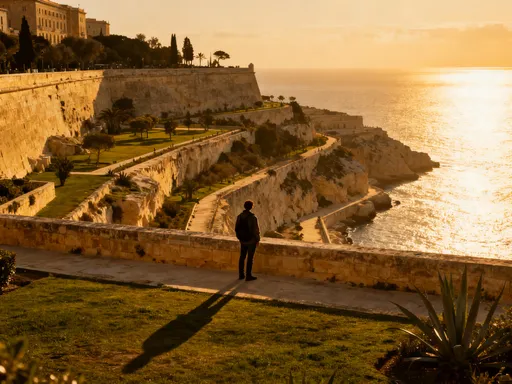
If the ferry offers the best external view of Valletta, then the Upper Barrakka Gardens provide the finest vantage point from within. Located at the highest point of the peninsula, these beautifully landscaped gardens were once a private retreat for knights but are now open to all. From here, the Grand Harbour unfolds in panoramic splendor—cargo ships glide between historic docks, fishing boats bob near Vittoriosa, and Fort St. Angelo stands sentinel across the water. On clear days, the view stretches all the way to the distant cliffs of Comino and Gozo. It’s a perspective that allows you to grasp Valletta’s strategic genius: its position was chosen not just for beauty, but for command.
One of the garden’s most beloved traditions is the daily noon cannon firing. At precisely 12:00, a single historic cannon is discharged, sending a plume of smoke into the air and echoing across the harbor. Originally used to signal time to ships in the port, the ritual now serves as a small but powerful moment of connection—between past and present, locals and visitors. Crowds gather minutes before, not just for the sound, but for the shared experience of witnessing history in motion. It’s a reminder that Valletta is not a museum frozen in time, but a living city where tradition continues to pulse through daily life.
For those seeking quieter alternatives, the St. Peter & Paul Bastion offers a more secluded outlook. Slightly off the main tourist path, this stretch of fortification provides unobstructed views of both Marsamxett and Grand Harbour, with fewer crowds and more space to linger. Another excellent option is the terrace just outside St. John’s Co-Cathedral, where the juxtaposition of baroque architecture and open sky creates a dramatic frame for photography. These elevated spots are more than scenic—they are contemplative spaces, places where the mind can slow down and absorb the layers of history embedded in the landscape.
Street-Level Vistas: Beauty in the Details
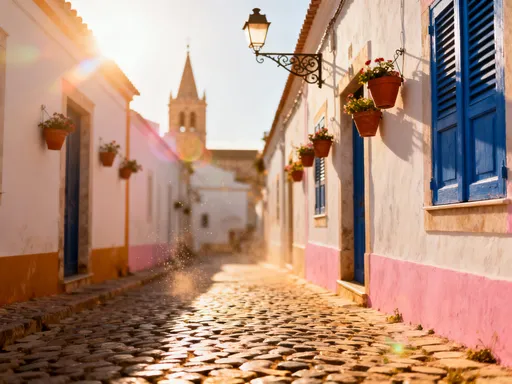
While the high vantage points offer sweeping panoramas, Valletta’s true magic often reveals itself at street level. The city’s grid-like layout, designed with military precision, creates a rhythm of narrow alleys and sudden openings—moments when a tight corridor bursts into a sunlit square or frames a distant dome like a living painting. These ‘view reveals’ are among the most delightful surprises for pedestrians. You might be walking down a shaded lane, eyes focused on the cobblestones, only to look up and find the entire harbor laid out before you, glittering under the afternoon sun.
This sense of discovery is enhanced by the city’s architectural harmony. Nearly every building is constructed from the same local limestone, giving Valletta a unified, almost dreamlike quality. The uniformity of color and material allows the eye to move effortlessly from one façade to the next, creating a visual flow that is both calming and stimulating. Balconies, often painted in deep blue or red, add subtle contrast, while intricate ironwork and carved doorways invite closer inspection. Even the height of the buildings—rarely more than five or six stories—ensures that views remain human-scaled and intimate.
To fully appreciate these details, practical preparation is essential. Comfortable walking shoes are a must; the streets are paved with smooth, sun-warmed stone that can be slippery when wet and tiring over long distances. Visiting in the early morning or late afternoon not only avoids the harsh midday sun but also improves photo quality, as the low-angle light enhances texture and depth. Midday glare can flatten images and make outdoor exploration uncomfortable, so many experienced travelers plan indoor visits—museums, churches, or cafes—during the hottest hours, reserving their walks for the cooler, more luminous parts of the day.
Water as a Mirror: Harbor Views and Coastal Angles
The relationship between Valletta and the sea is not just historical—it is visual, reflective, and constantly changing. The waters of the Grand Harbour and Marsamxett Harbour act as natural mirrors, doubling the city’s image and transforming its appearance depending on the time of day and weather conditions. In the morning, when the surface is calm, the reflection of the limestone buildings shimmers like a second city beneath the waves. By afternoon, ripples and boat wakes break the mirror, scattering light and creating a more dynamic, fragmented view.
Walking along the Valletta Waterfront—once a row of British-era warehouses, now converted into restaurants and galleries—offers a ground-level appreciation of this interplay. From here, the contrast between old and new is palpable: historic fortifications rise beside modern cafes where locals sip coffee under shaded terraces. The waterfront path leads eastward toward the Siege Bell Memorial, where a simple curved wall and bronze plaque honor those who defended Malta during World War II. It’s a place of quiet reflection, where the vastness of the sea underscores the resilience of the island’s people.
For a truly comprehensive understanding of Valletta’s geography, taking a ferry to the Three Cities—Vittoriosa, Senglea, and Cospicua—offers a reverse perspective. From across the harbor, Valletta appears as a fortified cliff, its sheer walls rising dramatically from the water. This view reveals the city’s defensive strength in a way that’s difficult to grasp from within. Similarly, a short ride to Sliema allows for west-facing shots, especially beautiful at sunset when the entire peninsula glows like embers. These excursions are not just scenic detours—they deepen one’s appreciation for how Valletta was designed to be seen, approached, and protected from every angle.
Sunset Strategies: Chasing Golden Hour Without the Crowds
Sunset in Valletta is not merely an end to the day—it is an event, a daily transformation of light that turns the city into a canvas of warm hues and long shadows. As the sun dips toward the horizon, the western façades of buildings ignite in golden tones, while the harbor waters shift from blue to molten silver. While popular spots like the Upper Barrakka Gardens can become crowded during this time, there are quieter alternatives for those willing to explore.
Rooftop cafes, particularly those near Republic Street, offer elevated views without the crush of tourists. Some require a reservation, but even a simple drink at a quiet bar with a terrace can provide an intimate sunset experience. The bastions along the western edge of the city, less frequented than their southern counterparts, also provide excellent vantage points. Benches placed at intervals invite lingering, and the sound of the waves below adds a meditative quality to the moment.
Photographers will appreciate the benefits of a polarizing filter, which helps manage glare and enhances the contrast between sky and stone. However, even without a camera, the experience is profound. The changing light encourages stillness, a natural pause in the rhythm of the day. As the sky deepens from gold to rose to violet, the city’s outline softens, and the first lights begin to flicker in windows and along the promenade. It’s a time when Valletta feels most alive in a quiet way—when the day’s energy settles into something deeper and more reflective.
One often-overlooked tip is to bring a light jacket. Even in summer, the evening breeze off the Mediterranean can be cool, especially when standing still for extended periods. Additionally, respecting local customs enhances the experience—Maltese families often take evening strolls, and the atmosphere remains calm and family-friendly. There’s no need for loud music or crowds; the beauty of the moment speaks for itself.
Beyond the Postcard: Unexpected Viewing Experiences
While guidebooks highlight the iconic views, some of Valletta’s most memorable moments happen off-script. Watching a small fishing boat return at dusk, its crew unloading the day’s catch near the marina, offers a glimpse into the city’s enduring connection to the sea. Or spotting a massive cruise ship docking in the Grand Harbour, its modern silhouette framed by centuries-old fortifications—a contrast that speaks to Malta’s ability to balance history and modernity.
During local festas, particularly in June and July, the city’s skyline takes on a temporary but dazzling transformation. Fireworks explode above the bastions, illuminating the night sky in bursts of color, while strings of lights adorn balconies and streets. These celebrations, held in honor of patron saints, turn Valletta into a living theater of light and sound. Even for visitors who don’t stay for the festivities, seeing the city decorated in advance—flags fluttering, statues draped in cloth—adds a layer of cultural richness to the visual experience.
Weather, too, plays a role in shaping the mood. A sudden sea mist rolling in from the harbor can soften the city’s edges, giving it a dreamlike, almost ethereal quality. While some travelers might see overcast skies as a disappointment, they often create the most atmospheric photographs—moody, textured, full of depth. Similarly, a passing summer storm can clear the air, leaving the limestone walls glistening and the sky washed in brilliant blue. Learning to embrace these variations, rather than resist them, allows for a more authentic and emotionally resonant connection to the place.
Putting It All Together: Designing Your Viewing Itinerary
To truly experience Valletta’s visual richness, a thoughtful itinerary is essential. A well-paced two- or three-day visit allows travelers to move beyond checklist tourism and into a more intentional way of seeing. On the first day, arriving by ferry in the late morning sets a strong tone. After settling into accommodations, a walk through the city’s central streets—Republic Street, Merchant Street, and Archbishop Street—introduces the rhythm of daily life. A midday break at a shaded café or museum visit preserves energy for an afternoon ascent to the Upper Barrakka Gardens, ideally timed to catch the noon cannon and enjoy the harbor views in full light.
The second day can focus on contrast—beginning with a sunrise view from the waterfront, followed by a ferry ride to the Three Cities. Exploring Vittoriosa’s narrow lanes and returning to Valletta in the late afternoon allows for a fresh perspective on the city’s silhouette. This day might also include a visit to St. John’s Co-Cathedral, where the interior’s opulence provides a powerful counterpoint to the exterior’s restraint. Evening could be reserved for a rooftop dinner, savoring both cuisine and sunset.
On the final day, a slower pace allows for street-level discoveries. A morning walk with a local guide can reveal hidden courtyards and architectural details that might otherwise go unnoticed. Photography enthusiasts might revisit favorite spots with different lighting, while others may simply enjoy a quiet bench overlooking the sea, reflecting on the journey. The goal is not to see everything, but to see deeply—to move from observation to connection.
Ultimately, Valletta’s greatest gift is not its monuments or museums, but its ability to reshape the way we see. It teaches patience, presence, and the value of perspective. In a world that often feels rushed and fragmented, the city offers a rare invitation: to stand still, look closely, and let the light guide you home. Its views do more than please the eye—they quiet the mind, stir the heart, and remind us that beauty, when truly witnessed, has the power to transform.