You Won’t Believe How Alive Faro’s Neighborhoods Feel
Faro, Portugal, is so much more than a gateway to the Algarve—it’s a city pulsing with soul. I wandered its districts and discovered layers of culture in every cobblestone alley. From the quiet charm of São Pedro to the historic heartbeat of the Old Town, each neighborhood tells a story. This is real Portugal, not just postcard views. If you think Faro’s just an airport stop, think again—its streets are alive with tradition, flavor, and warmth.
Uncovering Faro’s Cultural Layers Through Its Districts
Faro is often reduced to a transit point, a quick stop before tourists head west to golden beaches and cliffside resorts. But those who linger discover a city with depth, rhythm, and a quiet confidence. Its neighborhoods—each with its own identity—form a mosaic of Algarvian life that stretches far beyond sunbathing and seafood. Exploring these districts is like flipping through the pages of a well-loved book, where every chapter reveals a new facet of history, community, and daily rhythm. The city’s charm lies not in grand monuments alone, but in the way life unfolds in its side streets, markets, and neighborhood squares.
What makes Faro truly special is how its past is not preserved behind glass, but lived. Roman ruins sit beneath modern walkways. Moorish street patterns still guide foot traffic. Fishermen mend nets where their grandfathers once did. These layers aren’t just archaeological footnotes—they are part of the city’s present. The districts reflect different eras and social currents, from the devout tranquility of São Pedro to the youthful buzz near the university. Each area invites visitors to slow down and observe, not just consume. This kind of travel—immersive, respectful, curious—offers a richer reward than any guided tour.
For the thoughtful traveler, especially one who values authenticity and cultural connection, Faro’s neighborhoods offer a rare gift: the chance to witness Portugal as it is, not as it’s sold. There are no staged performances here, no forced interactions. Instead, there is the aroma of baking bread in the morning, the sound of fado drifting from a neighborhood café, and the sight of elders playing cards in shaded plazas. These moments are unscripted, genuine, and deeply human. To walk through Faro’s districts is to understand that culture isn’t something you visit—it’s something you experience, one quiet street at a time.
Old Town (Cidade Velha): Where History Whispers from Every Wall
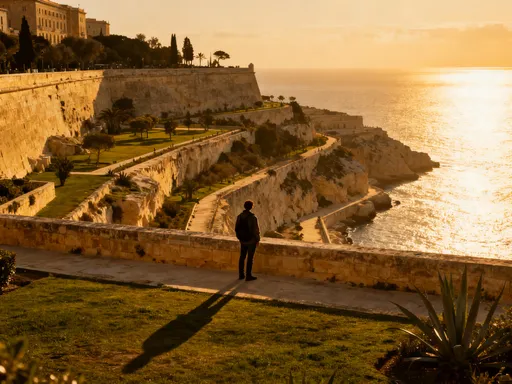
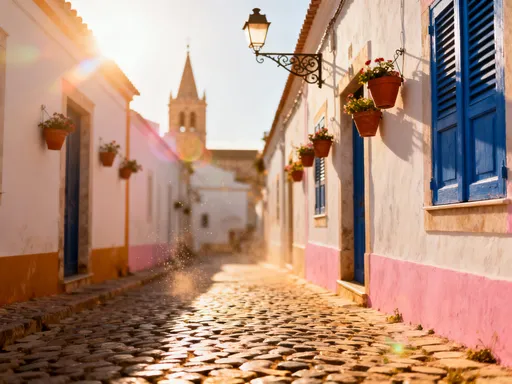
Enclosed by ancient ochre-colored walls, Faro’s Old Town—Cidade Velha—is the city’s beating heart and most treasured legacy. Walking through the Arco da Vila, the grand stone gateway from the 18th century, feels like stepping into a different era. The narrow, winding streets are paved with smooth cobblestones, their surfaces worn down by centuries of footsteps. Whitewashed houses with terracotta roofs rise on either side, their facades adorned with colorful azulejos—hand-painted ceramic tiles that tell stories of saints, seafarers, and daily life. Bougainvillea spills over wrought-iron balconies, adding splashes of magenta and purple to the sunlit lanes.
At the center of it all stands the Sé Cathedral, a fortress-like structure that has watched over Faro since the 13th century. Its bell tower offers one of the best panoramic views in the city, stretching from the Ria Formosa lagoon to the distant Atlantic. Inside, the cathedral blends Romanesque, Gothic, and Baroque styles—a reflection of the many hands that shaped it over time. Nearby, the Church of Carmo, with its elegant bell tower, houses a chapel lined with bones and skulls from the 18th century. This charnel house, known as the Capela dos Ossos, is not meant to frighten, but to remind visitors of life’s transience—a quiet, solemn moment in an otherwise vibrant district.
But the Old Town is not frozen in time. It pulses with daily life. Artisans sell handmade crafts in tiny boutiques. Locals sip coffee at sidewalk tables, reading the morning paper. Children dart through the alleys on their way home from school. The district’s rhythm is gentle but steady, shaped by tradition and community. For visitors, wandering without a map is often the best way to discover its secrets—a hidden courtyard filled with potted geraniums, a tiny chapel with a flickering candle, or a family-run tasca serving cataplana de marisco, a rich seafood stew cooked in a copper clamshell pot. These moments of discovery are what make the Old Town unforgettable.
São Pedro: A Local’s Sanctuary of Calm and Character
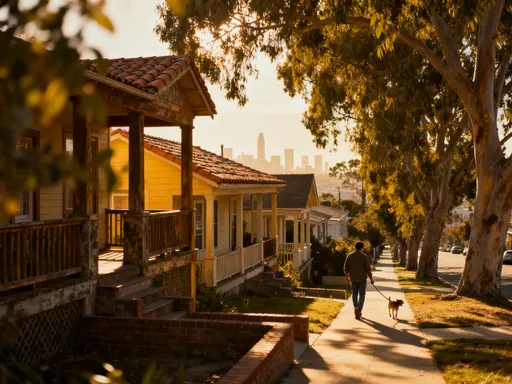
Just beyond the eastern edge of the Old Town walls lies São Pedro, a peaceful residential district that offers a quieter, more intimate side of Faro. Unlike the more touristed areas, São Pedro feels lived-in and unpretentious. Its streets are lined with modest homes, many with flower-filled window boxes and tiled entryways. The 18th-century Church of São Pedro anchors the neighborhood, its simple façade and tall bell tower a familiar landmark for residents. Mass is still held regularly, and on Sunday mornings, families gather in the square, greeting neighbors with warm embraces and shared news.
What makes São Pedro special is its authenticity. There are no souvenir shops or crowded terraces. Instead, you’ll find family-run bakeries where the scent of fresh pão de rala—a traditional sweet bread—drifts onto the sidewalk. Elderly women in black dresses walk slowly with shopping bags from the local market. Children play in the small playground near the church, their laughter echoing in the afternoon stillness. This is a neighborhood where time moves at a human pace, where people know each other by name, and where life unfolds in quiet routines.
Nearby, the Jardim Municipal—Faro’s main public garden—adds to the district’s tranquil charm. Laid out in the 19th century, the garden is a green oasis with winding paths, shaded benches, and a small pond where ducks glide silently. Palm trees, magnolias, and citrus trees create a soothing canopy. Locals come here to read, stroll, or sit in quiet contemplation. It’s a place that reflects Portuguese values of balance—between work and rest, nature and city life, solitude and community. For visitors, spending an hour in São Pedro offers a rare chance to experience the rhythm of everyday Portuguese life, away from the tourist spotlight.
Sé: The Cultural Crossroads with a Vibrant Pulse
The Sé district, named after the cathedral that dominates its skyline, is where history and modernity converge. It’s a place of contrasts—ancient stone walls stand beside lively cafés, and traditional craft shops share streets with modern art galleries. This area acts as a bridge between Faro’s past and present, drawing both locals and visitors into its dynamic orbit. During the day, sunlight filters through the cathedral’s stained-glass windows, casting kaleidoscopic patterns on the stone floor. By evening, the same streets come alive with the soft strains of fado music drifting from intimate taverns.
One of the district’s highlights is its concentration of cultural spaces. The Municipal Museum of Faro, housed in a former convent, offers a well-curated journey through the region’s history, from prehistoric settlements to maritime exploration. Nearby, small galleries showcase the work of Algarvian artists—paintings of coastal landscapes, ceramic pieces inspired by Moorish designs, and textiles woven with traditional patterns. These spaces are not just for display; they are part of a living artistic community that values heritage while embracing innovation.
The atmosphere in Sé shifts with the seasons. In spring and summer, outdoor festivals fill the squares with music, dance, and food. The Festa de São João, held in June, transforms the district with lanterns, bonfires, and street performers. Locals wear paper crowns and carry plastic hammers, playfully tapping each other on the head—a centuries-old tradition. In autumn and winter, the pace slows, but the cultural heartbeat remains strong. Book readings, theater performances, and seasonal markets keep the district vibrant year-round. For visitors, Sé offers a balanced experience—rich in history, yet full of life, where every visit feels both educational and deeply human.
Mercado Municipal and Fisherman’s Quarter: A Taste of Real Algarve Life
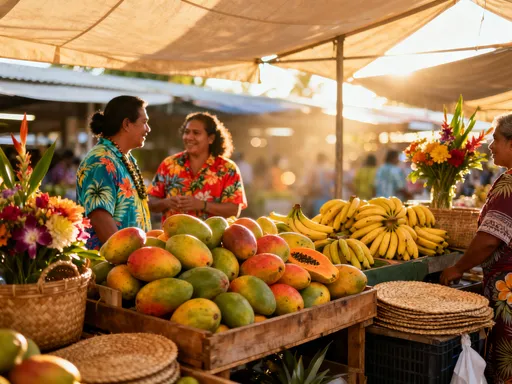
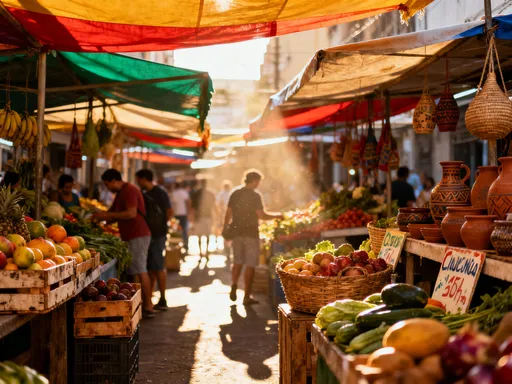
No visit to Faro is complete without a morning at the Mercado Municipal, the city’s central market and a sensory celebration of Algarvian life. Open since the early 20th century, the market is housed in a striking Art Deco building with large arched windows and a tiled roof. Inside, the air is thick with the scent of salt, garlic, and fresh herbs. Rows of stalls overflow with glistening sardines, silvery mackerel, and plump octopus laid out on beds of ice. Nearby, baskets of tomatoes, figs, and oranges glow in the morning light. Vendors call out prices in cheerful Portuguese, their hands moving quickly as they weigh produce or wrap fresh cheese in paper.
This is where Faro’s connection to the sea and soil becomes tangible. The market is not a tourist attraction—it’s where locals shop, barter, and plan their meals. Grandmothers inspect fish for freshness, cooks haggle over the price of coriander, and children peer curiously at eels twisting in their tanks. The energy is warm, communal, and deeply rooted in tradition. Many of the goods come from nearby farms and fishing boats, creating a short, sustainable supply chain that supports local livelihoods. Buying a kilo of sardines here isn’t just a transaction—it’s participation in a centuries-old rhythm of life.
Just beyond the market, the Fisherman’s Quarter stretches along the docks of the Ria Formosa. This network of tidal channels and salt marshes has sustained Faro’s fishing community for generations. Traditional wooden boats, painted in bright blues and reds, bob gently in the water. Nets hang from wooden frames, drying in the sun. Men in rubber boots repair gear or unload the morning’s catch. The area is modest, functional, and proud. It’s a reminder that Faro’s prosperity has always been tied to the sea. For visitors, a quiet walk along the docks offers a humbling glimpse into a way of life that values hard work, simplicity, and respect for nature.
Lethes and Modern Faro: Theater, Students, and Urban Evolution
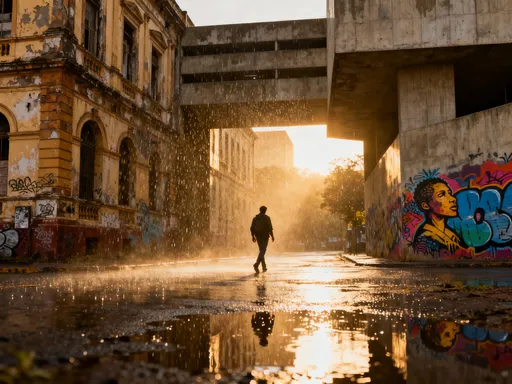
To the west of the city center lies the Lethes neighborhood, a hub of youthful energy and cultural innovation. Home to the University of Algarve’s main campus, Lethes pulses with the rhythm of student life. Cafés stay open late, filled with young people debating ideas, studying for exams, or planning weekend trips. Bookshops stock the latest Portuguese literature. Street art decorates old walls, adding splashes of color and commentary. This is a district that embraces change, yet remains deeply connected to Faro’s identity.
The centerpiece of Lethes is the Teatro Lethes, a beautifully restored 18th-century theater that has been reborn as a cultural center. Once a venue for royal performances, it now hosts plays, concerts, film screenings, and art exhibitions. The building itself is a triumph of preservation—its gilded balconies, velvet seats, and crystal chandeliers restored to their former glory. But the programming is thoroughly modern, featuring both classical works and experimental pieces by young artists. The theater is not a relic—it’s a living space where tradition and innovation coexist.
Lethes also reflects Faro’s growing role as an educational and cultural destination. The university brings students from across Portugal and Europe, creating a cosmopolitan atmosphere without erasing local character. International cuisines appear alongside traditional tascas. Sustainability initiatives, led by students and faculty, promote eco-friendly practices in housing, transport, and food. Yet, even with these changes, the neighborhood retains a human scale. Streets are walkable, public spaces are welcoming, and neighbors still greet each other by name. In Lethes, Faro shows that progress does not require sacrifice—that a city can grow without losing its soul.
Why District-Hopping Is the Best Way to Experience Faro
Traveling through Faro’s neighborhoods is more than a sightseeing itinerary—it’s a journey into the heart of Portuguese life. Each district offers a different lens: the Old Town reveals history, São Pedro offers tranquility, Sé blends culture and energy, the market district celebrates sustenance, and Lethes embraces the future. Together, they form a complete picture of a city that is both rooted and evolving. For the thoughtful traveler, especially one who values depth over speed, this kind of exploration is deeply rewarding.
Modern tourism often encourages checklist travel—visit the top three sights, take the photos, move on. But Faro resists that model. Its beauty is not in grandeur, but in subtlety. It’s in the way an elderly woman waters her geraniums at dusk. It’s in the sound of a fado singer’s voice echoing down a narrow alley. It’s in the smell of grilled sardines wafting from a family’s dinner table. These moments cannot be rushed. They require presence, patience, and openness. They ask the traveler to slow down, to listen, to observe.
District-hopping allows for this kind of mindful travel. It turns a city into a story, with each neighborhood a chapter. It fosters connection—not just to place, but to people. It reminds us that destinations are not just collections of attractions, but living communities with histories, values, and dreams. Faro, in all its quiet vibrancy, challenges the notion that it’s merely a gateway. It is, in fact, a destination in its own right—a place where culture is not performed, but lived.
So the next time you find yourself in the Algarve, consider staying in Faro a little longer. Step off the beaten path. Wander without a map. Let the city reveal itself, one neighborhood at a time. You may come for the history, but you’ll stay for the humanity. And when you leave, you won’t just remember the sights—you’ll remember the feeling of being part of something real, something enduring, something beautifully alive.