You Won’t Believe These Hidden Commercial Gems in São Paulo
São Paulo isn’t just Brazil’s largest city — it’s a pulsing hub of culture, flavor, and commerce hiding in plain sight. I wandered its streets and discovered commercial areas far beyond tourist brochures: buzzing markets, design-driven boutiques, and food halls bursting with life. This is where locals shop, eat, and connect. If you’re looking for authenticity wrapped in urban energy, São Paulo delivers. Let me take you through the real commercial soul of the city — vibrant, diverse, and utterly unforgettable.
The Pulse of Paulista Avenue: More Than Just Skyscrapers
Avenida Paulista stands as one of the most iconic thoroughfares in Latin America, a symbol of São Paulo’s transformation from a coffee-driven economy to a modern metropolis. Stretching over 2.6 kilometers, this grand avenue was once a quiet residential lane for wealthy coffee barons in the late 19th century. Today, it pulses with the rhythm of commerce, culture, and community. Towering skyscrapers house major financial institutions, multinational corporations, and corporate headquarters, but the avenue is far more than a business district. It is a living, breathing public space where São Paulo’s identity unfolds daily.
What sets Avenida Paulista apart is its seamless integration of economic activity with cultural expression. On any given day, you might encounter open-air art installations, political rallies, or dance performances on the wide sidewalks and central median. Every Sunday and on public holidays, the city closes the avenue to traffic, transforming it into a pedestrian paradise. Families stroll, cyclists weave through crowds, and street vendors sell everything from handmade jewelry to freshly squeezed fruit juices. These car-free days invite locals and visitors alike to reclaim urban space, turning commerce into a shared experience rather than a transactional necessity.
The presence of world-class institutions further enriches the commercial landscape. The Museu de Arte de São Paulo (MASP), with its striking red structure and elevated walkway, is not only a cultural landmark but also a catalyst for creative commerce. Its gift shop offers curated Brazilian design pieces, from artisanal ceramics to limited-edition prints, attracting art lovers and design enthusiasts. Nearby, pop-up markets frequently occupy vacant lots or public plazas, featuring independent designers, local food producers, and vintage collectors. These temporary ventures thrive on foot traffic and social media buzz, reflecting a new model of flexible, experience-based retail.
Even the architecture tells a story of evolving commercial values. While glass towers represent global capitalism, restored mansions along the side streets now serve as boutique offices, private galleries, or intimate dining spaces. This blend of old and new mirrors São Paulo’s ability to honor its past while embracing innovation. For the observant traveler, Avenida Paulista is not just a place to see — it’s a place to understand how a city’s economic heart can also beat with cultural vitality.
Bela Vista & Liberdade: Where Commerce Meets Community
Nestled within the Bela Vista neighborhood lies Liberdade, a district that offers one of the most immersive cultural and commercial experiences in São Paulo. Recognized as the largest Japanese community outside Japan, Liberdade is a sensory feast where tradition and modernity coexist in harmony. The moment you pass under the grand torii gate at the entrance of Rua Galvão Bueno, you step into a world of vivid colors, fragrant spices, and the rhythmic sizzle of street food. This is not a theme park or tourist imitation — it is a living neighborhood where generations of Japanese-Brazilians have built businesses, preserved customs, and welcomed newcomers with open arms.
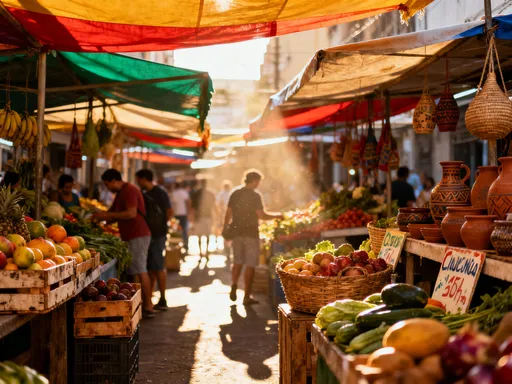
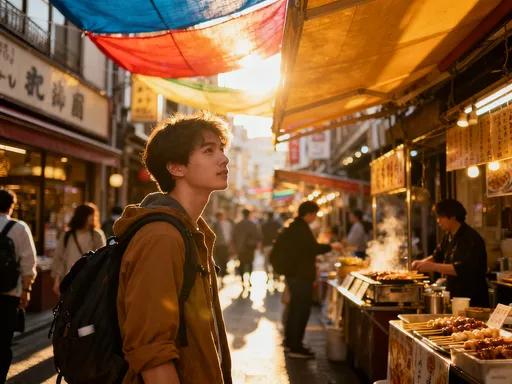
The Liberdade Market, open every weekend, is the heartbeat of this district. Rows of stalls overflow with exotic ingredients like yuzu, miso paste, and dried seaweed, while others display handcrafted fans, origami paper, and delicate tea sets. The air carries the scent of grilled yakisoba, steaming gyoza, and sweet taiyaki shaped like fish. Vendors call out in Portuguese laced with Japanese phrases, creating a linguistic blend as rich as the food. Unlike sterile supermarkets, this market thrives on personal interaction — a vendor might offer you a sample, explain how to cook a rare vegetable, or recommend a local favorite. These small moments of connection transform shopping into a deeply human experience.
Beyond the market, the surrounding streets are lined with family-run shops that have operated for decades. Some specialize in traditional kimonos, others in Japanese stationery or imported snacks. What makes these businesses remarkable is their adaptability. Many have incorporated modern aesthetics or online sales while preserving their core values. A small bakery might now offer matcha croissants alongside classic anpan, appealing to both older residents and younger foodies. This quiet evolution reflects a broader trend in São Paulo’s commercial culture — the ability to honor heritage while meeting contemporary demands.
For visitors, Liberdade offers more than souvenirs — it offers insight. Walking through its alleys, you witness how commerce can foster community. Children play near noodle shops, elders chat on benches outside tea houses, and tourists pause to photograph intricate lanterns. There is no rush, no pressure to buy — just the steady rhythm of daily life. In a world where shopping is increasingly digital and impersonal, Liberdade reminds us that markets can be places of belonging, not just consumption.
Santa Ifigênia: The Wild World of Electronics and Sound
If Liberdade appeals to the senses, Santa Ifigênia awakens the mind with its electrifying energy and labyrinthine charm. Located in the central region of São Paulo, this district has long been the city’s go-to destination for electronics, audio equipment, and tech accessories. As you descend into the narrow streets around Rua Santa Ifigênia and Avenida São João, the atmosphere shifts — neon signs flicker in Portuguese and Spanish, the hum of conversation blends with the occasional beep of a scanner, and the scent of solder and plastic lingers in the air. This is not a sleek tech mall but a raw, unfiltered bazaar where innovation and informality collide.
The area is particularly renowned for its audio culture. Music lovers come from across Brazil to find vintage turntables, rare vinyl records, and high-end amplifiers. Small shops crammed with equipment offer everything from professional studio gear to retro cassette players. Bargaining is expected, and vendors often test devices on the spot, playing everything from samba to electronic beats to demonstrate sound quality. For audiophiles, it’s a paradise of discovery — a place where you might stumble upon a 1970s receiver in perfect condition or a limited-edition speaker from a local artisan.
While smartphones and laptops dominate many stalls, the district retains a nostalgic edge. Some stores specialize in repairing old radios or restoring analog cameras, preserving skills that are disappearing elsewhere. Others cater to niche markets — ham radio enthusiasts, DIY electronics hobbyists, or filmmakers seeking vintage lenses. This diversity makes Santa Ifigênia more than a shopping destination; it is a hub of knowledge exchange, where expertise is passed down informally and curiosity is rewarded.
Visitors should approach with awareness. The area can be crowded, and pickpocketing has been reported, especially during peak hours. It is advisable to carry minimal valuables, avoid flashing expensive devices, and stay alert in busy zones. However, with basic precautions, the experience is overwhelmingly positive. Many locals vouch for the honesty and friendliness of shop owners, who often go out of their way to help customers find exactly what they need. For those willing to navigate its maze, Santa Ifigênia offers a rare glimpse into a commercial world driven by passion, not just profit.
Vila Mariana & Praça Alves: Neighborhood Commerce Done Right
Just a short metro ride from the city center, Vila Mariana offers a different vision of urban commerce — one rooted in calm, continuity, and community. This residential neighborhood, known for its tree-lined streets and colonial-style homes, has cultivated a network of small businesses that serve the rhythms of daily life. At its heart is Praça Domingos de Morais, affectionately known as Praça Alves, a peaceful square surrounded by family-owned cafés, independent bookstores, organic grocers, and artisanal bakeries. Here, commerce is not an event — it is a routine, woven into the fabric of neighborhood life.
Mornings at Praça Alves are especially enchanting. Residents stop by for a cortado at a sidewalk café, chat with the barista about the weekend, and pick up a warm pão francês from the bakery next door. A mother buys fresh produce from a small stand that sources from local farms, while a student browses used books at a corner shop with handwritten price tags. There are no chains, no flashy promotions — just honest, reliable service. The pace is slow, the interactions warm, and the atmosphere one of quiet trust. In a city known for its intensity, Vila Mariana feels like a breath of fresh air.
What makes this model sustainable is its focus on proximity and quality. Many of the businesses are interdependent — a café might serve bread from the bakery, use milk from a regional dairy, and display pastries made by a home-based vendor. This local ecosystem supports small entrepreneurs and reduces environmental impact. Customers value not just the products but the relationships they build over time. A shopkeeper might remember your usual order, suggest a new coffee blend, or save a loaf of sourdough just for you. These small gestures create loyalty that no loyalty card can replicate.
For travelers, visiting Praça Alves is not about ticking off a sightseeing list — it’s about slowing down and observing. Sitting on a bench with a coffee, you witness the gentle flow of neighborhood commerce: deliveries arriving on bicycles, children sharing a snack, neighbors greeting each other by name. It’s a reminder that cities are made not just of landmarks, but of everyday moments. In an age of digital convenience, Vila Mariana proves that physical spaces — small, human-scale, and deeply local — remain essential.
The Rise of Food Halls: Gourmet Commerce in Urban Spaces
In recent years, São Paulo has embraced a new form of commercial dining: the gourmet food hall. These spaces blend the energy of a market with the refinement of a restaurant, creating destinations where eating is both a pleasure and an experience. While the historic Mercado Municipal — known as Mercadão — has long been a favorite for its towering piles of fruit and famous mortadella sandwiches, a new generation of food halls is redefining urban cuisine. Found in cultural centers, renovated warehouses, and art institutions, these venues attract food lovers seeking quality, creativity, and connection.
One standout example is the weekend market at Instituto Tomie Ohtake, a contemporary art museum in the Pinheiros district. Every Saturday, the outdoor plaza transforms into a vibrant gathering of gourmet vendors, craft brewers, and artisanal producers. You’ll find slow-cooked cochinita pibil tacos, Brazilian cheese bread made with organic cassava flour, and cold-pressed juices in hues of emerald and sunset. Unlike fast-food courts, these stalls emphasize sourcing, technique, and storytelling. A chef might explain how their beans are heirloom varieties from Minas Gerais, or how their coffee is roasted in small batches to preserve flavor.
What makes food halls powerful commercial spaces is their ability to merge leisure with consumption. People don’t just come to eat — they come to linger, explore, and socialize. Families spread out on grassy areas, friends share small plates, and couples sip natural wines under string lights. The atmosphere is festive yet relaxed, encouraging discovery without pressure. For small food entrepreneurs, these markets offer low-risk entry points — a chance to test recipes, build a following, and scale up gradually.
Moreover, food halls often serve as cultural bridges. In a city as diverse as São Paulo, they bring together regional specialties from across Brazil — Amazonian tucupi, Bahian acarajé, southern churrasco — alongside international influences. This culinary mosaic reflects the city’s identity: dynamic, inclusive, and ever-evolving. For visitors, a meal at a food hall is not just nourishment — it’s a journey through flavor, history, and community.
Shopping Beyond the Mall: Boutiques and Design Districts
While São Paulo boasts some of Latin America’s largest shopping malls, a quieter revolution is unfolding in its boutique districts. Neighborhoods like Jardins — encompassing Jardim Paulista, Jardim América, and Itaim Bibi — have become sanctuaries for independent designers, concept stores, and artisanal brands. Here, shopping is not about convenience or discounts, but about discovery, craftsmanship, and intention. Quiet streets lined with greenery hide unassuming storefronts that house some of the city’s most innovative retail experiences.
These boutiques prioritize quality over quantity. You’ll find clothing made from organic cotton, handwoven textiles from indigenous communities, and jewelry crafted from recycled metals. Many brands focus on sustainability, offering repair services, take-back programs, or transparent supply chains. A dress might come with a card detailing the artisan who made it, the region where the fabric was woven, and the environmental impact of its production. This level of storytelling transforms garments into heirlooms, not fast fashion.
The shopping experience itself is curated and personal. Staff are knowledgeable, often passionate about the brands they represent. There are no pushy sales tactics — instead, conversations about style, comfort, and values. Some stores host workshops, from natural dyeing to mending techniques, fostering a deeper relationship between buyer and object. This shift reflects a growing desire among consumers — especially women in their 30s to 50s — to buy less but better, to support local creators, and to own pieces with meaning.
Art also plays a central role. Many boutiques double as galleries, displaying paintings, sculptures, or installations alongside merchandise. A visit might begin with a coffee in a sunlit courtyard, continue through a curated selection of ceramics, and end with a conversation about Brazilian design. In these spaces, commerce is not separate from culture — it is an extension of it. For the thoughtful traveler, Jardins offers not just shopping, but inspiration.
Navigating the City: Practical Tips for Exploring Commercial Zones
Exploring São Paulo’s commercial gems is rewarding, but planning enhances both safety and enjoyment. The city’s size and traffic can be daunting, so using the metro is often the smartest choice. São Paulo’s subway system is extensive, clean, and efficient, with clear signage in Portuguese and English. Lines 1 (Blue) and 2 (Green) connect major areas like Avenida Paulista, Liberdade, and Vila Mariana, making it easy to combine multiple districts in a single day. For shorter distances, ride-sharing apps like Uber or 99 are reliable and widely used.
Timing matters. Weekends are ideal for markets — Liberdade on Saturday, food halls on Sunday — but they also draw larger crowds. Visiting early in the morning allows for a more relaxed experience and better photo opportunities. Weekdays are better for boutique shopping, when stores are less busy and staff have more time to engage. Some areas, like Santa Ifigênia, are best visited in daylight hours when foot traffic is high and security is more visible.
Safety is a common concern, but with basic precautions, most visitors have smooth experiences. Keep valuables discreet, avoid wearing flashy jewelry, and use crossbody bags. Stick to well-lit, populated streets, and trust your instincts. If an area feels off, move on. Learning a few phrases in Portuguese — like “Onde fica o metrô?” (Where is the subway?) or “Quanto custa?” (How much does it cost?) — goes a long way in building rapport and navigating smoothly.
Finally, embrace walking. São Paulo reveals its best details at street level — a mural around a corner, the scent of bread from an open window, a vendor arranging flowers. Downloading local apps like “SPTrans” for real-time transit updates or “Mais Você” for market events can help you stay informed. And don’t rush. The city’s commercial soul isn’t found in checklists, but in moments of connection, surprise, and delight.
Conclusion
São Paulo’s commercial areas are not just places to spend money — they’re windows into the city’s soul. From bustling markets to quiet neighborhood plazas, each space tells a story of resilience, creativity, and connection. Avenida Paulista showcases the dynamic fusion of finance and culture, while Liberdade preserves tradition through vibrant community commerce. Santa Ifigênia pulses with the raw energy of tech and sound, and Vila Mariana offers a model of calm, human-centered retail. Gourmet food halls turn dining into an experience, and design districts celebrate craftsmanship and sustainability.
Together, these spaces reveal a city that values authenticity over spectacle, relationships over transactions, and innovation rooted in culture. For the traveler willing to look beyond the surface, São Paulo offers more than shopping — it offers understanding. The true heart of the city beats in its streets, shops, and markets, where every purchase carries a story, and every interaction adds to the rhythm of daily life. Come not just to buy, but to belong. The commercial soul of São Paulo is waiting to be discovered.